Understanding the fundamental components of exceptional pizza
The foundation of any great pizza begins with flour selection. Different wheat varieties and milling techniques produce distinct characteristics that influence texture, flavor, and performance in the oven.
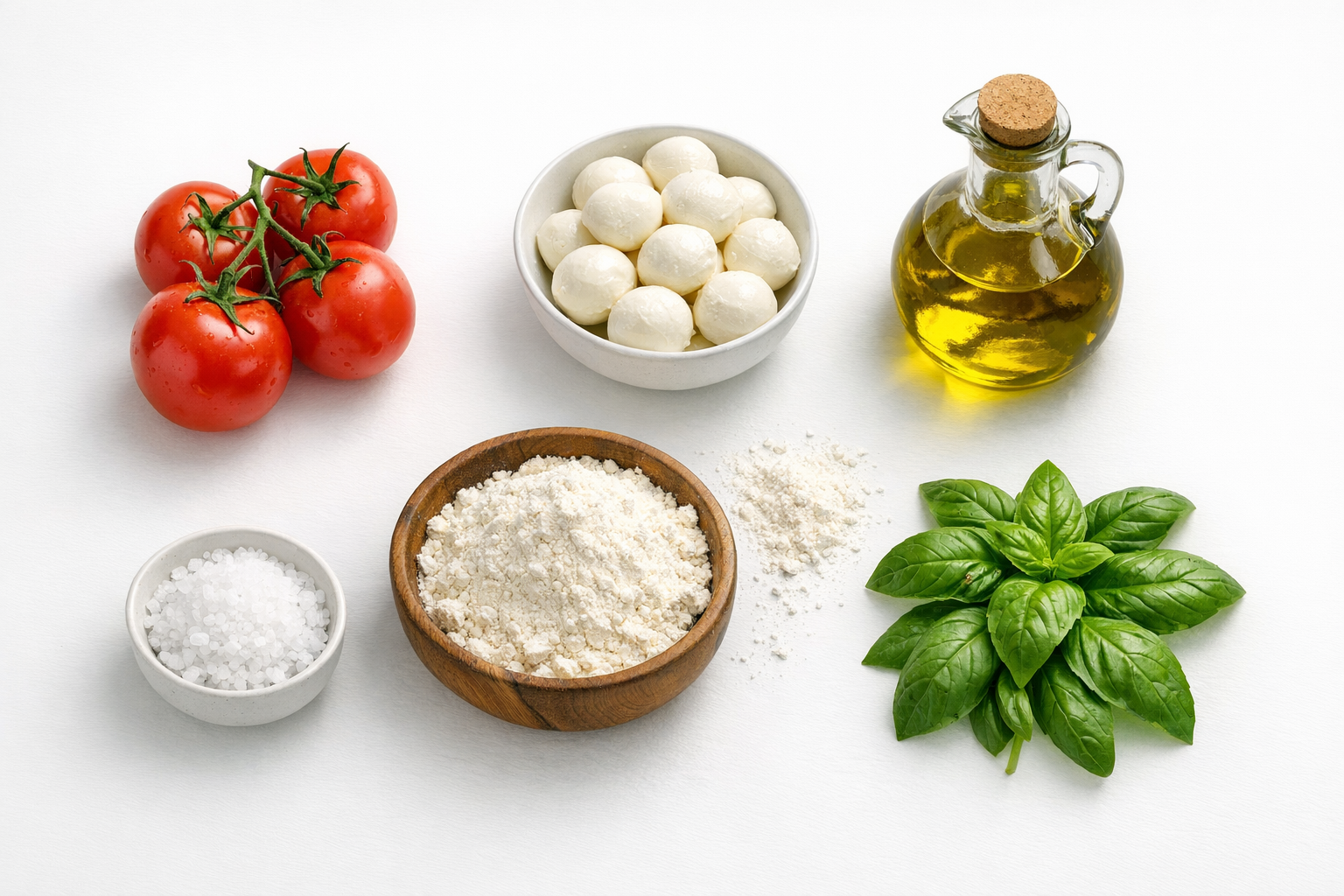
Italian tipo 00 flour represents the finest grade of wheat flour, ground to a powdery consistency with moderate protein content between 11.5-12.5%. This flour creates exceptionally smooth dough with excellent extensibility, making it ideal for Neapolitan-style pizzas. The fine particle size allows for rapid gluten development and creates a tender crust.
American bread flour typically contains 12-14% protein, creating stronger gluten networks and more chewy textures. This higher protein content provides better structure for pizzas that require longer fermentation or heavier toppings. The increased gluten strength helps maintain shape and prevents sagging during baking.
Whole wheat flour includes the entire wheat kernel, providing more fiber, nutrients, and robust flavor. The bran particles cut through gluten strands, creating a coarser texture and denser crumb. Many artisan pizzerias incorporate small percentages of whole wheat flour to add depth and complexity to their dough recipes.
Cheese selection significantly impacts pizza composition, providing moisture, richness, and complementary flavors. The melting characteristics and moisture content of different cheeses influence cooking time and final texture.
Fresh mozzarella, or fior di latte, contains approximately 50% moisture, creating a creamy, luscious texture when melted. This cheese is typically made daily from cow's milk and has a delicate, milky flavor that complements without overpowering other ingredients. The high moisture content requires careful balancing to prevent soggy crusts.
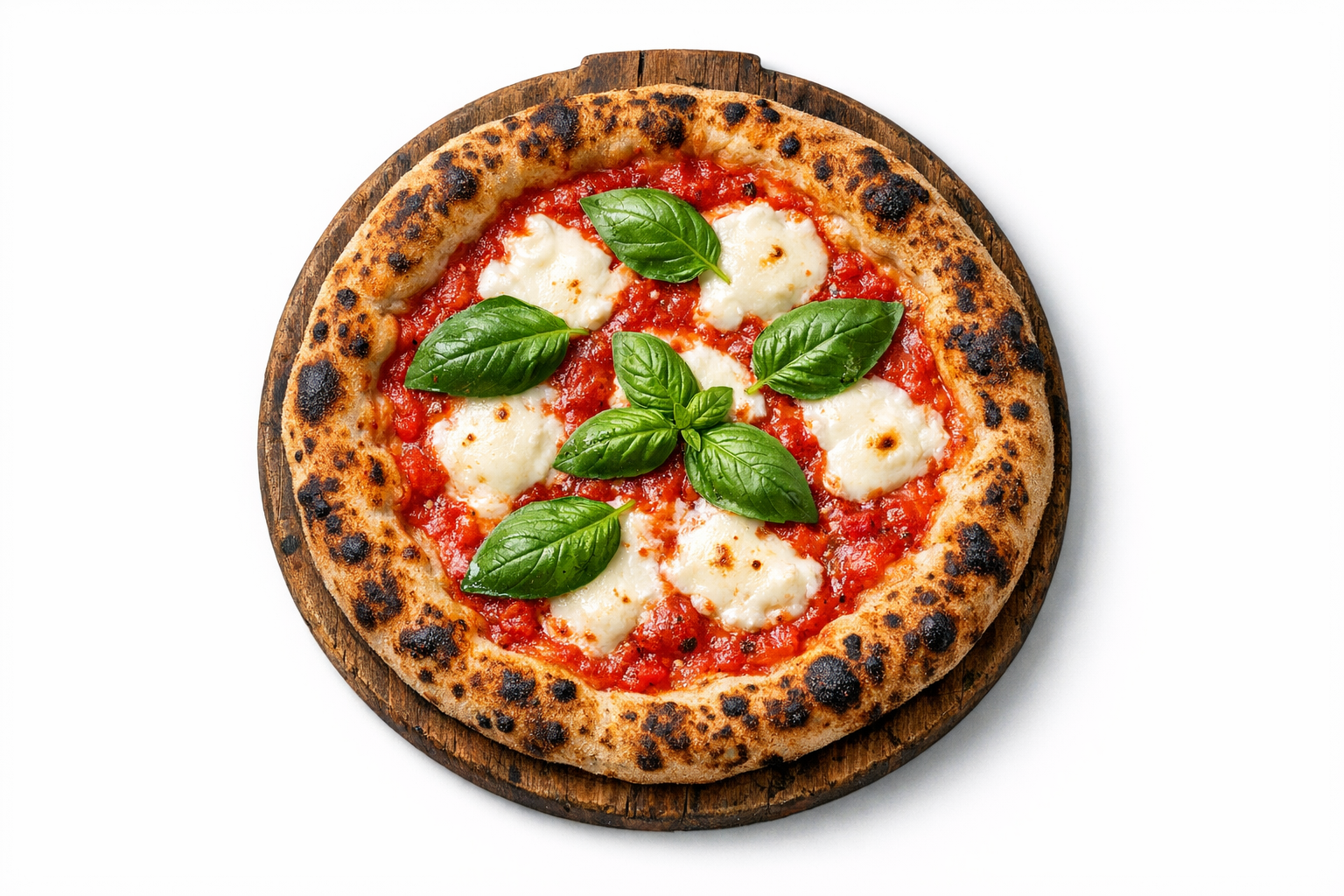
Made from water buffalo milk, buffalo mozzarella offers a richer, tangier flavor profile with approximately 52% moisture. The distinctive taste comes from the higher fat content and unique milk chemistry. This cheese is prized in authentic Neapolitan preparations and pairs beautifully with fresh basil and San Marzano tomatoes.
Aged cheeses like Parmigiano-Reggiano, Pecorino Romano, and aged provolone contribute intense umami flavors and savory depth. These cheeses are typically used in moderation due to their strong flavor and lower melting properties. They add complexity and sophistication when combined with milder fresh cheeses.
Tomatoes form the acidic foundation that balances richness from cheese and provides vibrant color and fresh flavor. The selection of tomato variety and processing method significantly impacts the final character of pizza sauce.
Grown in the volcanic soil of Mount Vesuvius, San Marzano tomatoes possess a unique balance of sweetness and acidity with low water content and few seeds. These characteristics make them ideal for pizza sauce, creating concentrated flavor without excessive moisture that could compromise crust integrity. The protected designation of origin ensures authentic quality.
California Roma tomatoes offer a reliable domestic alternative with excellent flavor consistency. These tomatoes are specifically bred for sauce applications, providing thick flesh and minimal seeds. The balanced acidity and natural sweetness create harmonious flavor profiles that complement various topping combinations and cheese selections.
Fresh heirloom and cherry tomatoes provide bright, immediate flavor and vibrant visual appeal. These are typically used in raw preparations or added during the final minutes of baking to preserve their delicate texture and fresh character. The variety of colors and flavors available allows for creative compositions that highlight seasonal produce.
The baking process represents the final stage where ingredients transform into cohesive pizza. Temperature control, heat distribution, and timing precision determine crust development, ingredient integration, and overall quality.
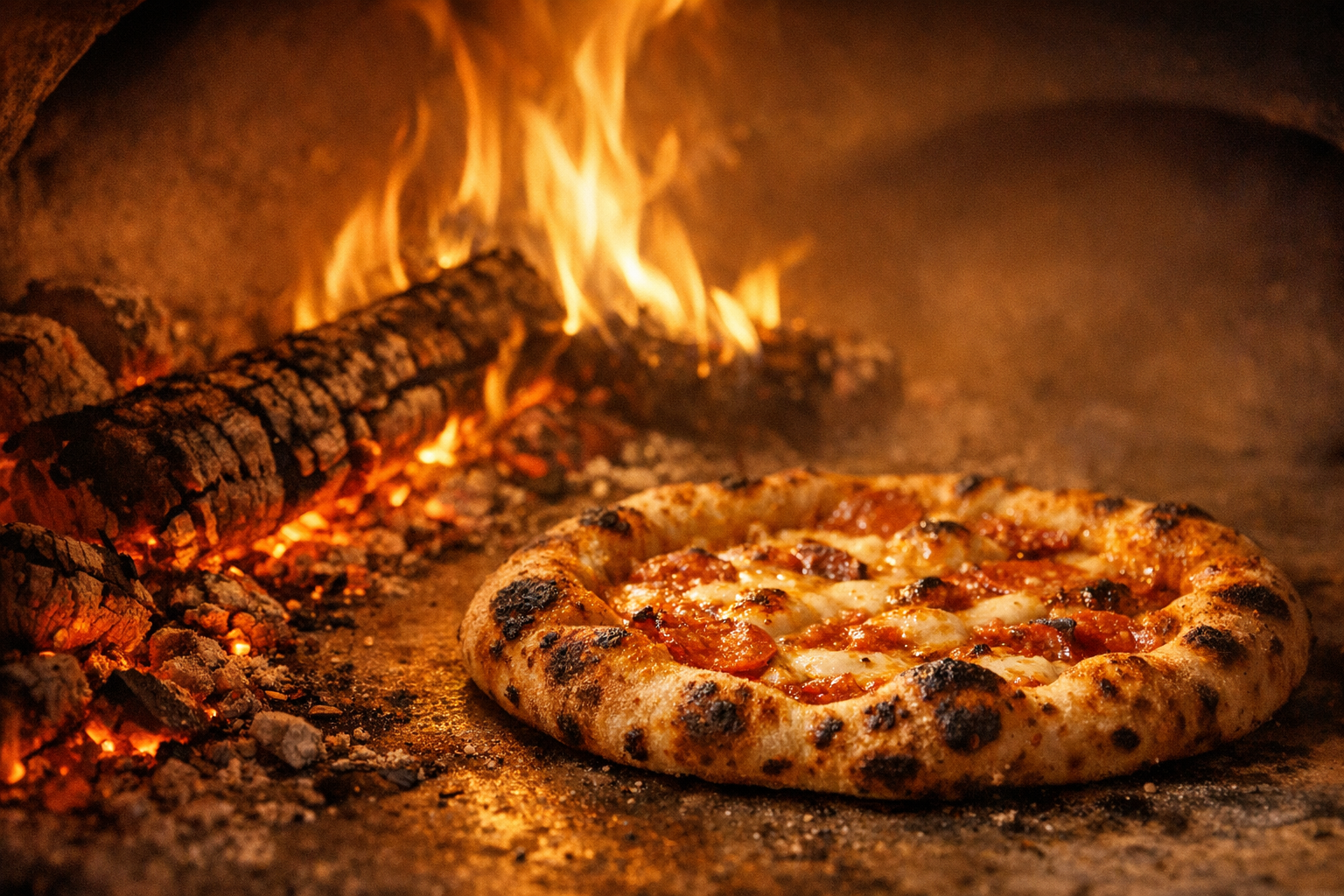
Wood-fired ovens create intense temperatures through burning hardwood, typically reaching 800-900°F. The radiant heat from the dome and conductive heat from the floor create optimal conditions for pizza baking. Wood combustion imparts subtle smoky notes that complement the natural flavors of ingredients. The thermal mass maintains consistent temperatures for continuous baking.
Stone deck ovens provide conductive heating through the baking surface, simulating traditional wood-fired characteristics. These ovens typically operate at 550-650°F with longer cooking times of 4-6 minutes. The stone surface absorbs moisture from the dough, creating crispy bottom crusts while maintaining soft, tender interiors. Electric or gas heating ensures consistent temperature control.
Proper temperature management involves understanding heat zones within the oven. The dome provides radiant heat for crust formation, while the floor conducts heat through the dough. Rotating pizzas during baking ensures even cooking and prevents burning. The balance between top and bottom heat creates the ideal texture gradient from crispy exterior to tender interior.