Exploring the art of pizza craftsmanship through diverse techniques
The thin crust style represents the pinnacle of pizza artistry, where precision and technique create a delicate yet flavorful foundation. This approach emphasizes the balance between structural integrity and refined texture.
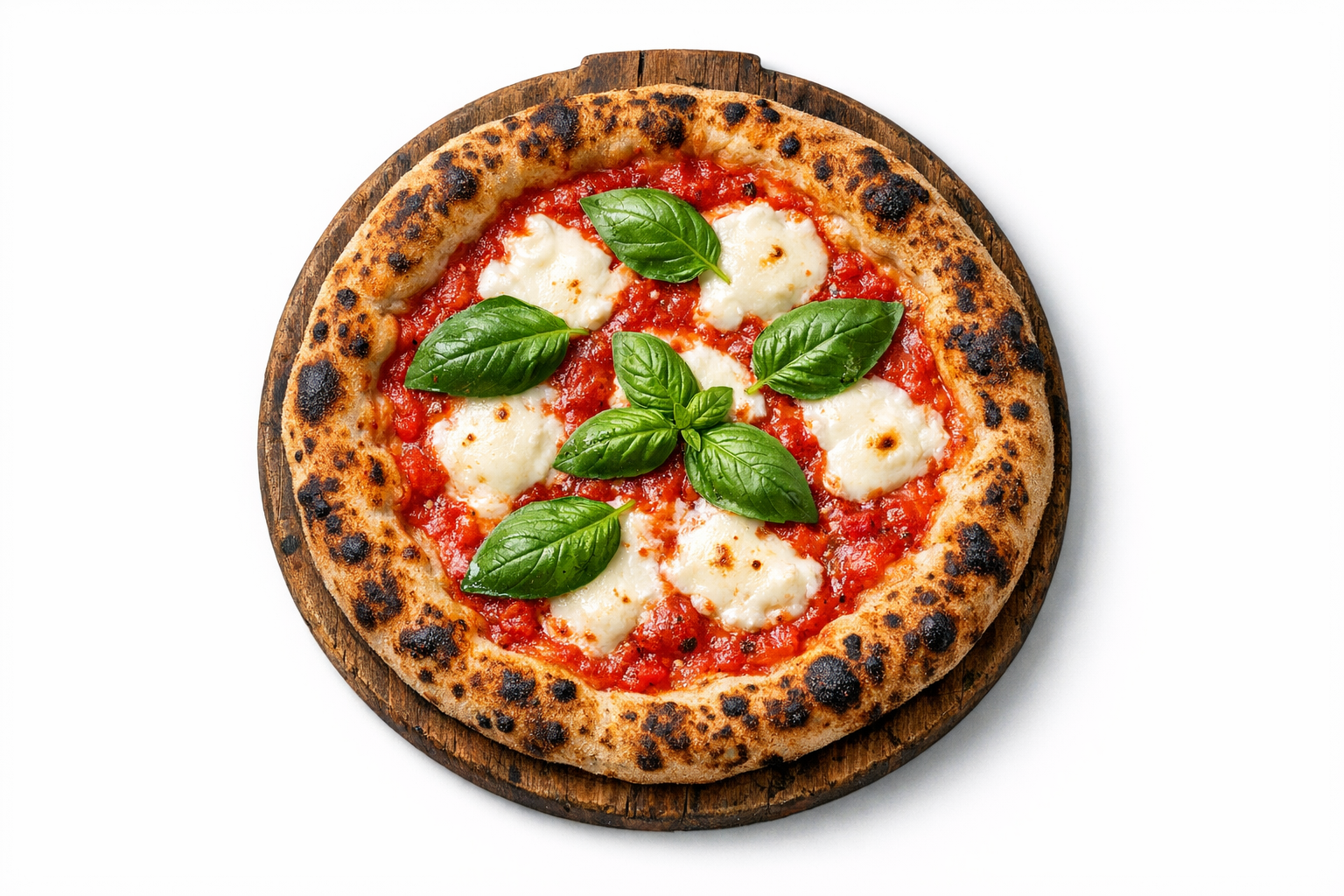
Thin crust pizzas typically feature a dough thickness of 1-2 millimeters at the center, expanding to 3-4 millimeters at the cornicione (edge). The crust develops a crisp exterior while maintaining a tender, slightly chewy interior through controlled hydration levels and fermentation time.
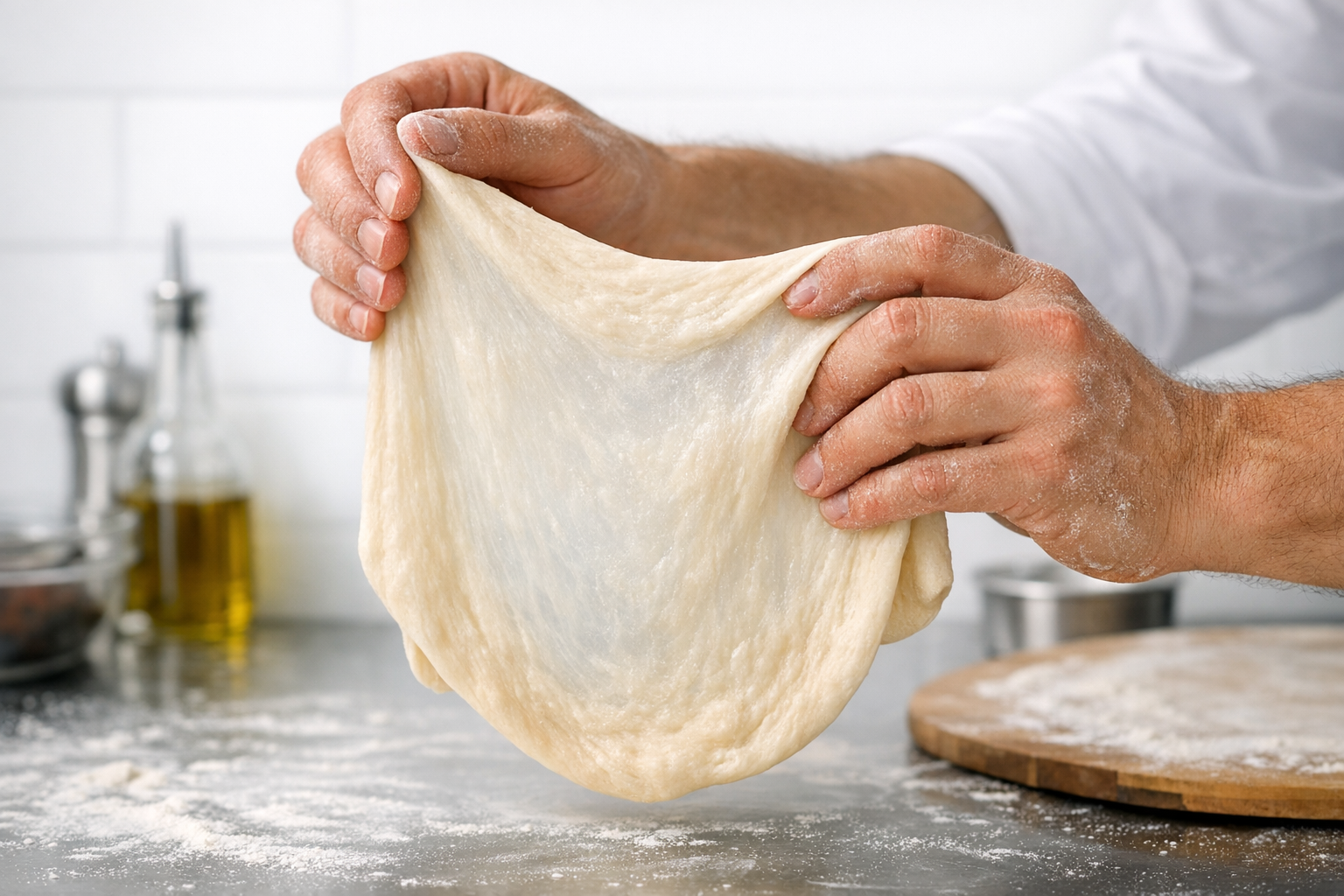
The dough is hand-stretched rather than rolled, preserving gas bubbles created during fermentation. This technique creates an airy, light structure with characteristic leopard spotting from high-heat baking. The stretching process requires skill and practice to achieve consistent thickness without tearing.
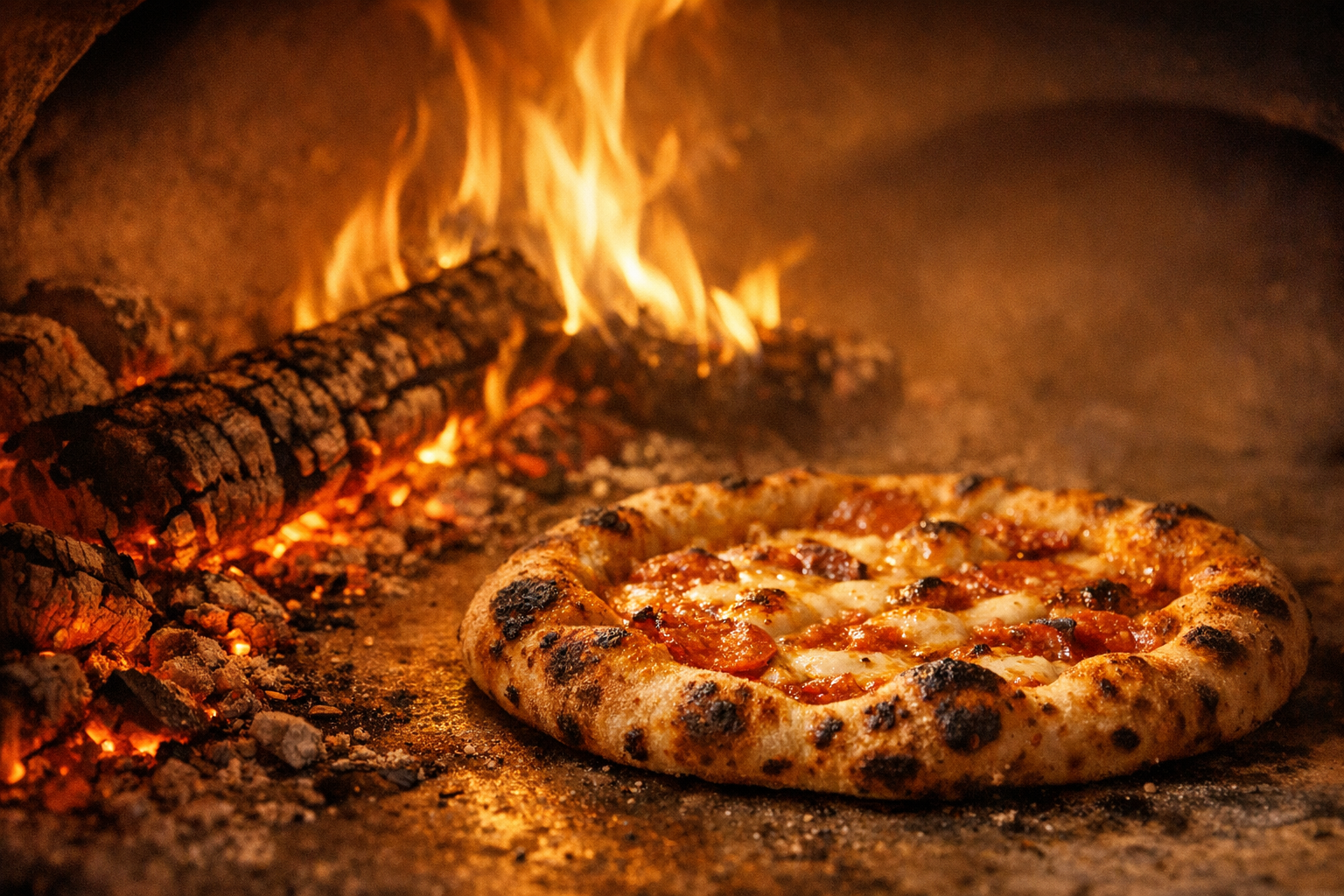
Thin crust pizzas bake at temperatures between 700-800°F, with cooking times of 60-90 seconds in wood-fired ovens. The intense heat creates rapid crust formation while keeping the interior moist and tender. This method produces the signature char and blister pattern on the crust surface.
The Neapolitan tradition represents one of the oldest and most respected pizza styles, originating in Naples, Italy. This style emphasizes simplicity, quality ingredients, and specific preparation techniques that have been refined over generations.
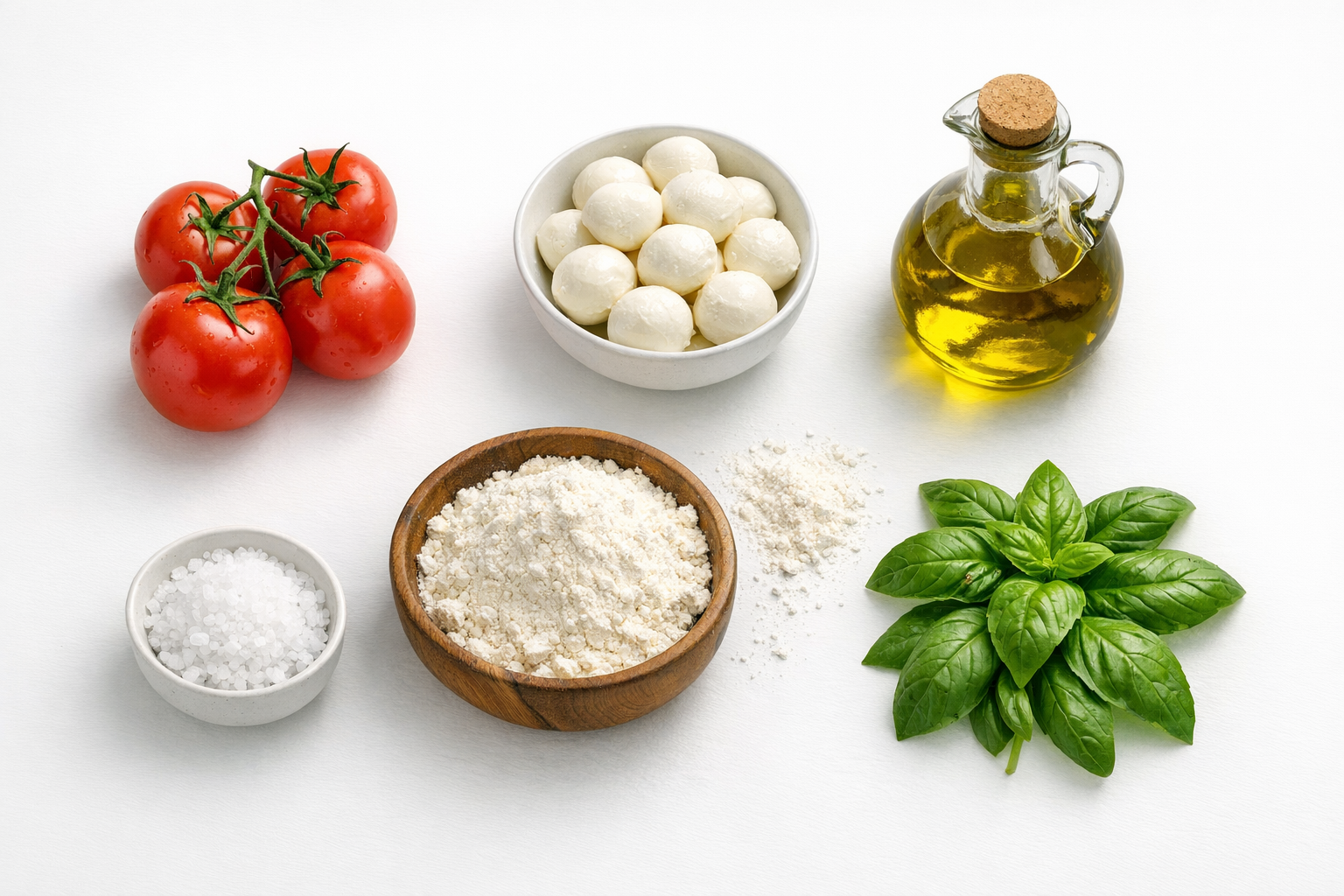
Traditional Neapolitan dough contains only four ingredients: flour, water, salt, and yeast. The flour is typically tipo 00, finely ground with moderate protein content. Hydration levels range from 55-60%, creating a dough that is easy to handle yet develops excellent flavor through long fermentation.
Authentic Neapolitan pizzas feature a raised, puffy edge called the cornicione, with charred spots from the intense heat of wood-fired ovens. The center remains relatively thin and tender, often moist from tomato sauce. The overall appearance includes leopard spotting on the crust and a slightly irregular shape from hand forming.
Neapolitan pizzas require temperatures exceeding 800°F, ideally 850-900°F. At these temperatures, cooking occurs in 60-90 seconds, creating the perfect balance between crust formation and ingredient cooking. The dome of a wood-fired oven distributes heat evenly, creating the ideal cooking environment.
Pan baked pizza styles emphasize the development of a thick, airy crust with caramelized edges. The baking pan creates a unique environment where the dough can expand freely, resulting in a distinctly different texture and flavor profile compared to deck-baked styles.
The choice of pan material significantly influences the final product. Cast iron pans conduct heat efficiently, creating an exceptionally crispy bottom crust. Steel or aluminum pans provide more even heat distribution, producing a uniformly cooked crust with consistent texture throughout.
Pan baked dough typically uses higher hydration levels, 65-75%, creating a more open crumb structure. The extended fermentation time, often 24-48 hours, develops complex flavors and improves digestibility. The dough is allowed to proof in the pan before baking, creating the characteristic height and airy structure.
Pan baked pizzas require lower temperatures than deck-baked styles, typically 450-500°F. The longer baking time, 15-20 minutes, allows the crust to develop fully and the ingredients to cook properly. The pan insulates the bottom, creating a gradual crust formation that results in a tender, flavorful base.
The philosophy of seasonal pizza making celebrates ingredients at their peak flavor and quality. Throughout the year, different produce and specialty items become available, inspiring creative interpretations that reflect the changing seasons.
Spring pizza compositions often feature fresh peas, asparagus, delicate greens, and young vegetables. The light, fresh flavors complement the season's emphasis on renewal and growth. Herbs like chives, parsley, and early basil add brightness to these compositions.
Summer pizzas showcase tomatoes at their peak, along with fresh basil, zucchini, peppers, and other warm-weather vegetables. The abundance of produce allows for vibrant, colorful presentations that reflect the season's energy and variety.
Fall pizza styles incorporate hearty vegetables like squash, mushrooms, and root vegetables. The flavors become deeper and more robust, with ingredients that respond well to roasting and develop complexity through cooking. Sage, rosemary, and thyme complement these autumnal compositions.
Winter pizza selections focus on preserved and hearty ingredients that provide sustenance during colder months. Cured meats, aged cheeses, preserved vegetables, and hearty greens create satisfying compositions that reflect the season's emphasis on comfort and warmth.